Reserve Map
Find out about the different habitats around Foxglove Covert by clicking on this interactive reserve map.
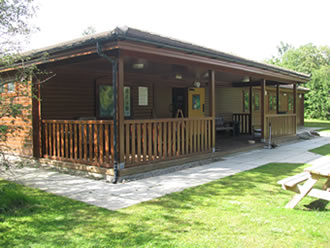
Field Centre
The Field Centre is the hub of the reserve. It is from here that visitors can find out what is happening, which species are being seen and sit down to see the birds in the back garden. School children use this area as a base when they visit. There is an observational bee hive where you can view the bees within the combs and also see if you can spot the queen bee. There is also a shop with gifts, cards and refreshments.
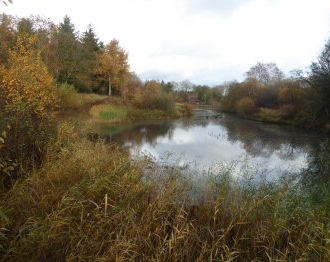
Lake and Hide
The accessible lake hide gives great views of the lake and its surroundings. Kingfishers may be seen feeding upon the small fish. If you are lucky, Roe Deer sometimes walk through the Larch plantation to the right. Grey Heron and Little Egret occasionally visit the area
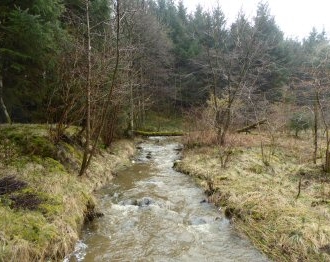
Risedale Beck
A tributary of the River Swale, Risedale Beck runs along the south-eastern side of the reserve. The beck runs through deciduous woodland which has been growing here for at least 400 years. One of the features of this area is the south-facing Hazel coppice. Here in the spring you will find banks of Bluebell, Primrose, Dog Violet and Wood Anemone. Coppicing a bank such as this ensures a light, open canopy of leaves, vital for the flora beneath.
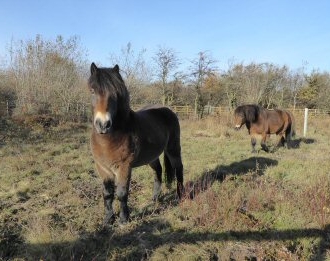
Heathland
This small area is rich in plant and insect species including Common Spotted Orchids and Wasp Beetles. Later in the year the flowering Heather turns the ground purple and bees use the pollen and nectar to make honey. The encroaching scrub in this area highlights the impact of succession; one paddock no longer supports heather. It is therefore being transformed into a woodmeadow with the help of Plantlife and recovering service personnel.
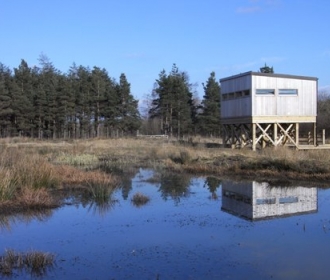
Wetland
This area was created from a patch of wet moorland in 2009. There is a series of field drains and ditches which, on average, are no deeper than 60cm. Swallows, Swifts and House Martins swoop over the water catching insects. There is a rich abundance of dragonflies and damselflies including the Broad-bodied Chaser, a species which is extending its range northwards. The area supports thriving populations of amphibians including frogs and toads. Marsh Stitchwort, Adder’s Tongue and Marsh Cinquefoil are notable plant species.
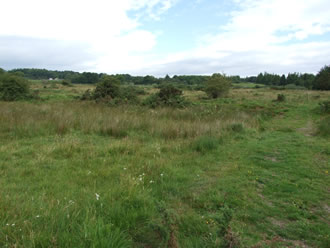
Spigot Mere
Created in 2019, Spigot Mere is a large pond on which wading birds such as Lapwing and Little Ringed Plover can be seen in spring and summer months. It is surrounded by fen and wet sedge grassland which supports specialist flora like Grass of Parnassus and Marsh Stitchwort. Spring migrants including Grasshopper Warbler, Sedge Warbler, Common Whitethroat and Garden Warbler take advantage of the shelter provided by gorse and scrub in the area.
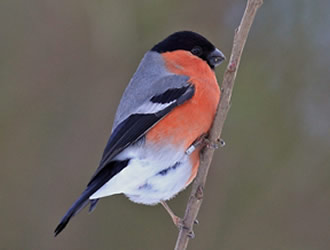
Willow Carr
Willow Carr makes up a significant proportion of the reserve. ‘Carr’ is an old Norse word for swamp, appropriate for this area of wet woodland. It is managed by rotational coppicing, which involves cutting trees to the ground, creating open areas ideal for wildflowers to flourish. This in turn attracts many insects, including a variety of butterfly species. Felled trees regenerate, so there is constant variation in vegetation structure.
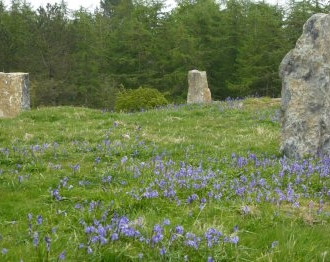
Stone Circle
This was erected in May 2016. It has become a focal point for visitors walking across the moorland path. In spring Bluebells flourish and Stonechats perch in the surrounding gorse. In summer and autumn Parasol Mushrooms form striking natural rings within the stone circle itself.
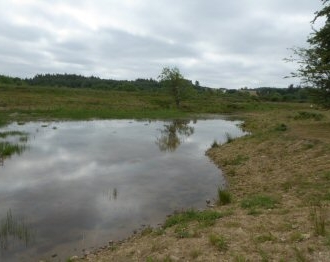
Plover's Pool
Plover’s Pool was created in February 2016. During the summer it is home to many dragonflies and damselflies. Of particular interest are the Common Darter, Black Darter and Golden Ringed Dragonfly. House Martins and Swallows can be seen drinking from the pond as well as hunting for insects over the water.
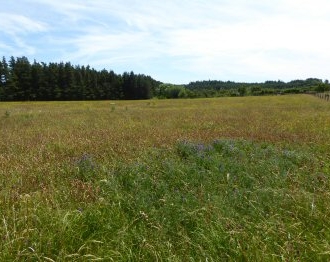
Wildflower Meadow
The largest meadow on the reserve, the Wildflower Meadow is formerly rough pasture, now rich in meadow flora. Yellow Rattle, a semi parasitic plant of certain grasses was planted, and the range of species has since increased. Common Bird’s-foot Trefoil, Knapweed, Fairy Flax, Cowslip, Bulbous Buttercup, Eyebright and Common Spotted Orchid are just some of the species thriving here. There are many smaller meadows dotted around the reserve most of which are managed for wildflowers, and some of which are managed to encourage waxcap fungi.

Plan Your Visit
Get directions to find us, opening times and access information for your next visit.