
Butterflies
Adding individual species is a work in progress. Go here for the full list of species in PDF format to download

Small Tortoiseshell - Aglais urticae
This most common butterfly lays its eggs on young nettles during April and May. The adults feed on any wild flowers and dozens can often cover a bush of Buddleia in August.
Orange Tip - Anthocharis cardamines
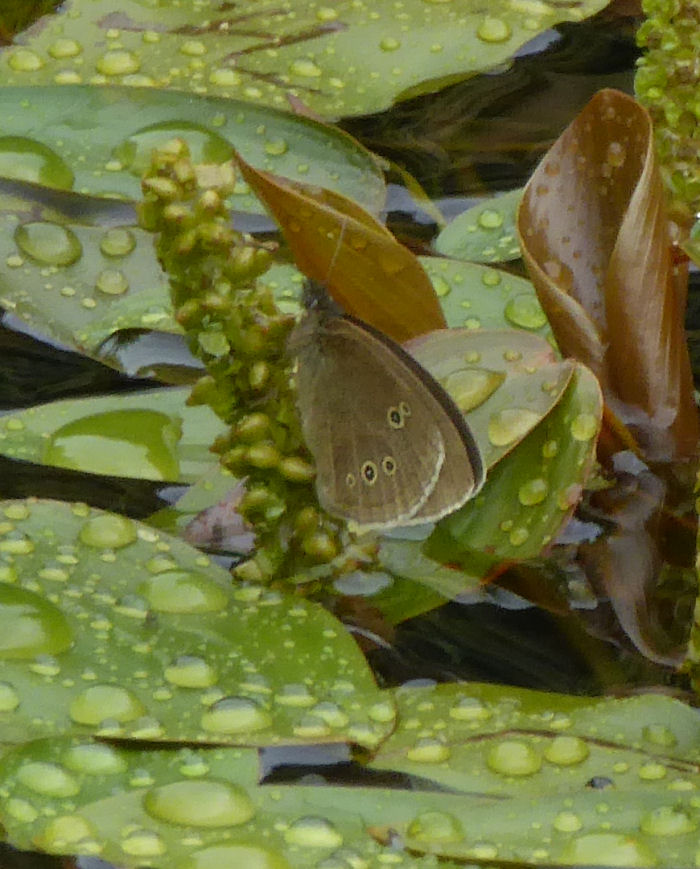
Ringlet - Aphantopus hyperantus
There is one generation each year, with adults emerging in the second half of June, peaking in mid-July, with a few individuals continuing into August. The larvae feed on a range of grasses and then over-winter before finally pupating around June.
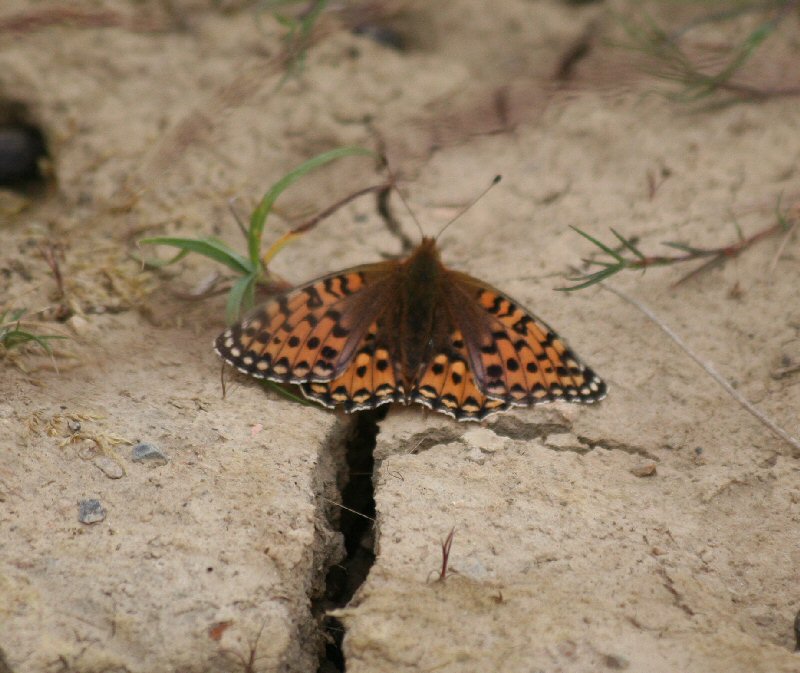
Dark Green Fritllary - Argynnis aglaja
This butterfly gets is name from the olive-green colour suffused between the silver spots on the underside of the wings.
It sunbathes on the ground and on ferns. It flys quickly between the flowers it is feeding from. They are on the wing during July and August.
Small Pearl-bordered Fritllary - Boloria selene
This is a BAP listed species.
Holly Blue - Celastrina argiolus
Small Heath - Coenonympha pamphilus
This is a BAP listed species.

Brimstone - Gonepteryx rhamni
We are surmising that as the Alder Buckthorn is growing, it is providing more food for the caterpillars and so we are seeing more adults around the reserve.

Peacock Butterfly - Inachis io
This butterfly hibernates as an adult and it can be seen on the wing from February when the weather is clement. The offspring from these overwintering adults emerge in July, when they will be seen fluttering almost everywhere.

Wall - Lasiommata megera
This butterfly is not often recorded on the reserve. The caterpillar feeds on grasses.
Small Copper - Lycaena phlaeas
Meadow Brown - Maniola jurtina
Purple Hairstreak - Neozephyrus quercus
Large Skipper - Ochlodes sylvanus

Speckled Wood - Pararge aegeria
This butterfly loves to sunbathe and will set up a territory and defend it, in a sunny spot. The numbers of this butterfly have increased greatly over the last few years.
They can be seen flying from March to October.
Large White - Pieris brassicae

Green Veined White - Pieris napi
These beautiful butterflies can be seen on the wing from April through to August. The food plants of the caterpillar include Large Bittercress, Cuckoo Flower, Garlic and Hedge Mustard.
Small White - Pieris rapae

Comma - Polygonia c-album
The Comma feeds on nectar from brambles, thistles, Knapweed and Hemp Agrimony. It hibernates as an adult. These butterflies can be seen flying during September to November, March to May and also in July.

Common Blue - Polyommatus icarus
The brilliant blue of this little butterfly catches the eye as it flutters across the heathland or over the grasses on the wetland. The caterpillar food plants are mainly Bird’s-foot Trefoil, Black Medic and clovers.
Small Skipper - Thymelicus sylvestris

Red Admiral - Vanessa atalanta
The caterpillars can be found on nettles. Whilst the adults may be seen feeding from Hemp Agrimony in the Scrapes, they will also feed on rotting fruit, bird droppings and tree sap!
There are northward migrations from North Africa and continental Europe. The females from these migrants lay eggs which result in adult butterflies from about July onwards. On mild, warm sunny days they can be recorded into October and even November and can be seen on the Ivy flowers.

Painted Lady - Vanessa cardui
The Painted Lady butterfly migrates from south west Europe and North Africa, a distance of more than 600 miles during May and June. A second brood may hatch but they are unable to survive our winters.